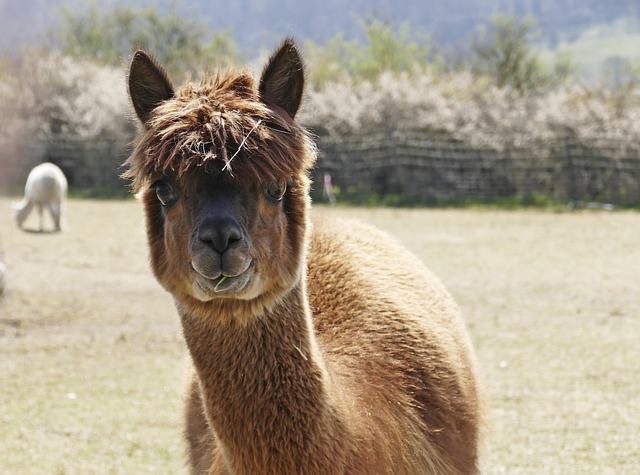
- Welfare-first handling
- Small-group tours
- Clear fibre information
- Calm, photo-friendly routes
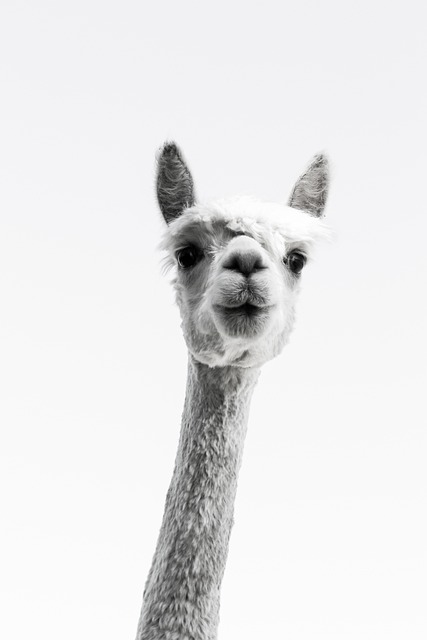
Learn what makes alpaca fibre warm, light, and touch-friendly.
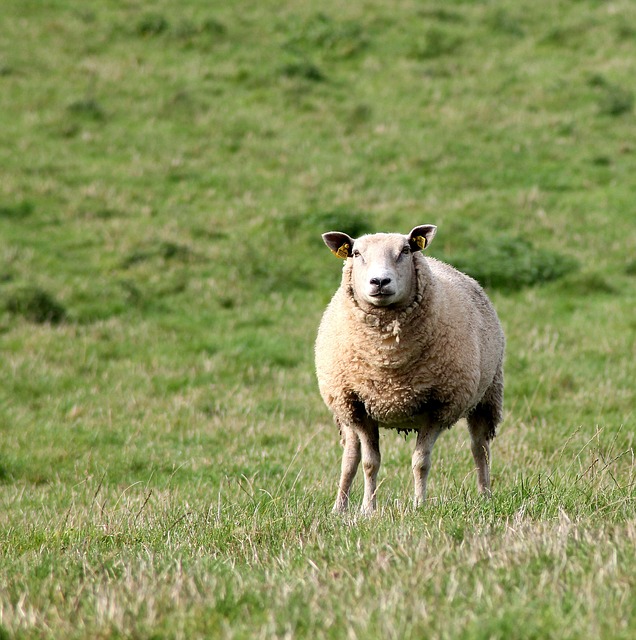
Quiet spaces help alpacas stay settled and visitors feel relaxed.
How we care for alpacas
Alpacas thrive with consistent routines and low-stress handling. We prioritise calm movement, predictable feeding, and plenty of space so the herd can choose where to rest, graze, and socialise. During visits we keep the pace slow, with time to watch behaviour from a respectful distance before approaching.
Good welfare also means good boundaries. Alpacas are not props. Some will happily approach; others prefer a bit of distance. Our guides explain consent-based interaction in practical terms: where to stand, how to offer a hand for a sniff, and how to read common signs that an alpaca is ready to move away.
You will always be guided on how to interact safely. If the alpacas need a quieter moment, the tour adapts without pressure.
We use calm voice cues and slow movements. Visitors are shown how to approach from the side, keep hands low, and avoid crowding. This reduces stress and leads to more natural, curious interactions.
Snacks are offered only under guidance and in appropriate amounts. This helps prevent pushy behaviour and keeps the herd’s diet consistent. If feeding is part of your tour, we show the correct hand position.
Alpacas are shorn to support comfort and hygiene. We explain the timing, the reason, and what visitors might notice in coat changes through the year. You can also see examples of different fibre textures.
Smaller groups keep noise down and make it easier to ask questions. We plan stopping points so everyone can take photos without blocking paths or clustering around the animals.
We keep details clear, including what to wear and what to expect outdoors.
Why alpaca fibre feels different
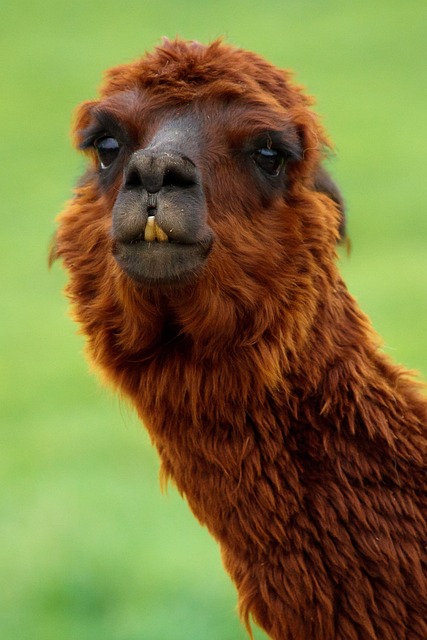
Alpaca fibre is valued for warmth with a light feel. Many people describe it as cosy without bulk, which makes it handy for Irish weather where the day can shift from sun to breeze quickly. Fibre characteristics vary by alpaca, so we like to explain the basics in plain language: density, softness, and how a piece will drape or hold shape.
On our tours, you can see samples of fleece and learn how it becomes a finished product. In our shop we label items clearly and keep care instructions simple. If you are buying as a gift, we can suggest easy-to-wear pieces and explain how to store them between seasons.
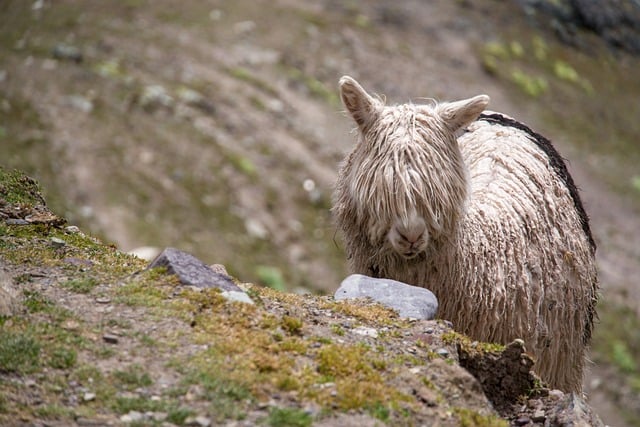
Softness depends on fibre micron and processing. We explain what that means in everyday terms so you can choose confidently.
We focus on pieces that are easy to wear and care for, with simple storage and cleaning guidance.
If you have questions about fibre blend, feel, or sizing, contact us and we will point you to the most suitable items.
If you tell us who the item is for and how it will be used, we can suggest options without collecting extra personal data. Reach us at [email protected].
What a visit feels like
The best alpaca visits feel like a gentle conversation. You arrive, settle in, meet your guide, and learn a few simple cues that help you interact respectfully. From there, the experience unfolds with a relaxed rhythm: watching, approaching, feeding when appropriate, and pausing for photos. We aim for a pace where children and adults can both feel comfortable.
We also set expectations clearly: this is an outdoor farm environment, so suitable footwear and layers matter. Weather can change and paths can be uneven. If you have accessibility needs, contact us in advance and we will discuss the best option for your group.
We include pause points so you can take photos without crowding the herd. Alpacas often come closer when the group is still.
Visitors leave knowing how alpacas communicate, what makes fleece special, and how to greet animals respectfully.

- 1Quick introduction and safety cues
- 2Paddock walk and alpaca hello
- 3Fleece facts and shop browsing
1 St Stephen's Green, Dublin, D02 HK52, Ireland